Nomadic Housing and Lasting Tourism
Traveling has actually constantly been connected to movement, but a growing variety of individuals are asking whether the areas we remain while taking a trip can relocate as well. Nomadic real estate, from transformed vans and little homes on wheels to modular capsules and yurts, is reshaping how travelers experience destinations while decreasing the environmental impact that standard hospitality often leaves behind. As lasting tourism becomes less of a particular niche rate of interest and more of an assumption, nomadic housing provides a useful and philosophical response to the inquiry of exactly how we can travel without permanently altering the landscapes we see.
What Is Nomadic Housing?
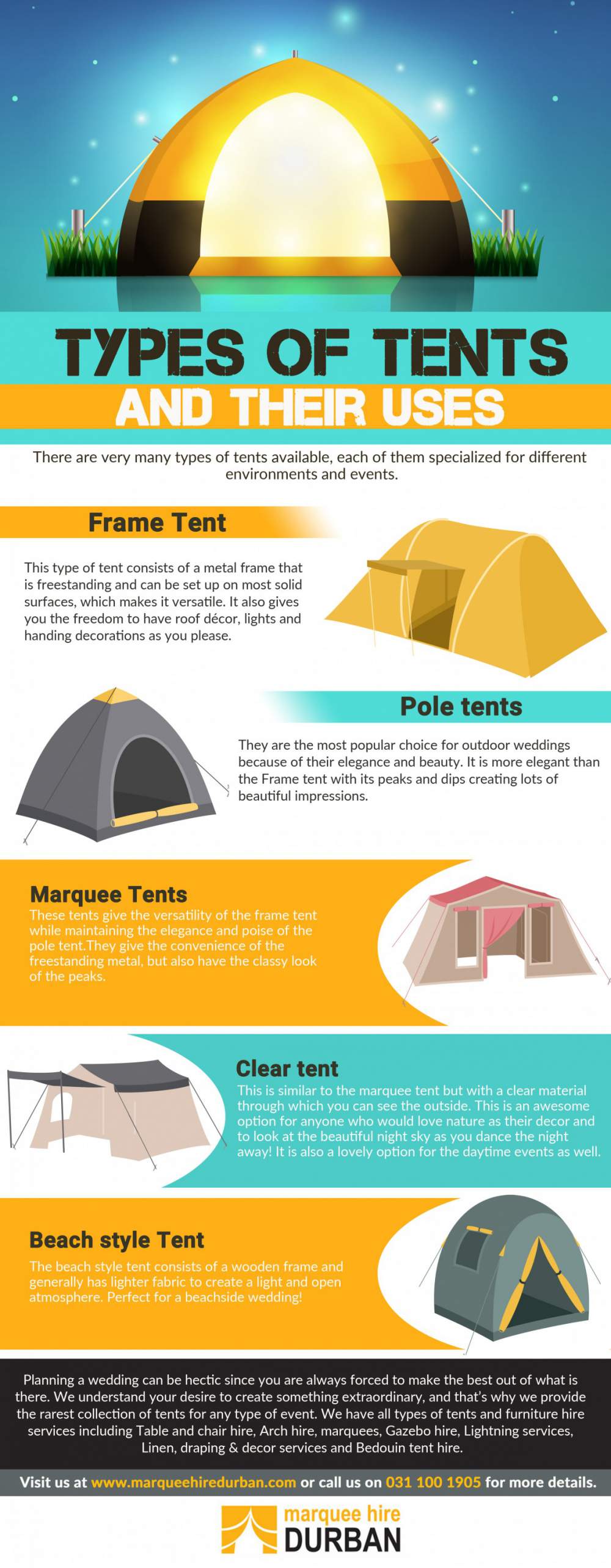
Nomadic housing describes living frameworks made for movement as opposed to durability. This includes camper vans, tiny houses improved trailers, geodesic domes, yurts, and even blow up or foldable sheathing structures that can be put together and dismantled with very little interruption to the land under them. Unlike resorts or resorts, which require significant building, land cleaning, and recurring framework, nomadic housing is built around the idea of leaving a light impact. Many of these structures are additionally off-grid capable, depending on solar power, composting commodes, and rainwater collection systems, which reduces their dependence on local energy networks that can already be strained in preferred vacationer areas.
Why Lasting Tourism Requirements Adaptable Solutions
Mass tourist has a well-documented propensity to bewilder the destinations it loves. Coastal towns deal with disintegration from overdevelopment, mountain areas shed indigenous greenery to give way for lodges, and historic city centers are hollowed out by temporary rentals. Sustainable tourist looks for to counter this by urging travel that sustains local economic situations and ecosystems without depleting them. Nomadic real estate fits normally into this goal since it does not require irreversible land conversion. A collection of mobile cabins can host visitors throughout height season and be transferred or gotten rid of when need goes down, allowing land to remainder and recuperate as opposed to staying permanently built on.
The Environmental Case for Mobile Stays
The ecological benefits of nomadic housing surpass simply preventing permanent building. Mobile and modular units are frequently developed with lighter materials, which lowers the carbon footprint of transportation and production. Since these structures are small, they likewise often tend to make use of less power for cooling and heating, and many are especially developed to make best use of natural light and ventilation.
Lowering Land Disruption
Traditional resort development typically involves grading land, pouring concrete structures, and mounting considerable plumbing and electrical systems that completely modify local environments. Nomadic structures, by contrast, can be positioned on existing surface areas or marginal systems, leaving dirt, root systems, and drainage patterns mostly undamaged. This is particularly beneficial in delicate settings like deserts, marshes, and towering areas, where healing from construction damage can take decades.
Sustaining Round Source Usage
Many nomadic housing layouts include round resource concepts, including greywater recycling, solar energy storage, and composting systems. Since these devices are self-contained, they encourage both contractors and tourists to think carefully about source usage in ways that a linked hotel room, with its unlimited water and electrical power, hardly ever needs.
Economic and Cultural Perks for Neighborhood Communities
Sustainable tourist is not only about ecological effect; it is additionally concerning making certain that tourism earnings benefits neighborhood neighborhoods instead of far-off firms. Nomadic real estate designs commonly offer themselves to small, locally had operations. A family members with a few acres of land can organize mobile cabins or yurts without needing the funding required to develop a complete resort, which maintains tourist income within the neighborhood instead of funneling it to large hospitality chains.
Encouraging Slower, Extra Deliberate Traveling
There is also a social shift taking place alongside the physical one. Nomadic real estate has a tendency to attract travelers thinking about slower, much more deliberate experiences rather than the transactional nature of typical resort keeps. Guests that pick a transformed van website or an off-grid hull are frequently drawn by curiosity concerning regional environments, food systems, and customs, which can convert right into much deeper involvement with the neighborhoods they see.
Difficulties Facing Nomadic Real Estate
Regardless of its promise, nomadic tent glamping housing is not without challenges. Zoning regulations in lots of areas were composed with long-term frameworks in mind and have not overtaken mobile or modular real estate concepts. Accessibility to trusted off-grid facilities, especially water and waste monitoring, can also be a restricting consider remote locations. In addition, as nomadic holiday accommodations become much more popular, there is a danger that they could be scaled up in ways that replicate the extremely overdevelopment they were indicated to avoid, especially if huge firms go into the area totally commercial rather than sustainability.
Looking Ahead
Nomadic housing will not change conventional friendliness, nor should it try to. Instead, it represents one tool amongst lots of for constructing a more lasting tourist sector, one that deals with land as something to be respected as opposed to permanently declared. As even more tourists look for purposeful, low-impact experiences, and as even more communities seek tourist designs that protect rather than deplete their resources, nomadic real estate is most likely to move from a niche fad right into a mainstream part of exactly how we think about traveling entirely.